Hello friends, you can read my latest by simply clicking on my name in the picture below. It is about universal truth, no matter where you find yourself in the journey today. I hope you will check it out and have a “salty” and “sweet” day. — Jane
A Little Poem on Behalf of . . .
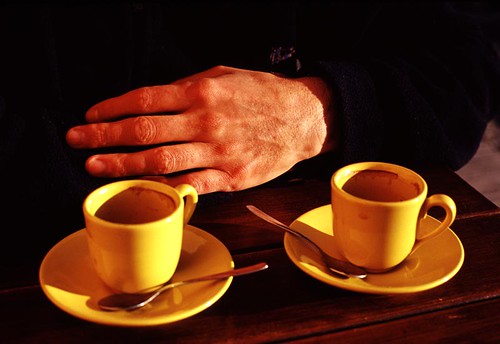
“two coffee cups and one hand” by micmol is licensed under CC BY-NC-SA 2.0
being . . .
alive….
is so good today.
*
i touch.
i listen.
i truly see
and seeing, see truly.
*
You….
being…
alive….
is so good for me.
*
i hold
inside myself
all that is best in you.
i love
apart from myself
that which is truest
in you.
*
And holding all…
that which is love,
becomes us.
and loving that which is best
in you. . .
keeps me true.
*
WE….
make this life
what it is.
and because of You
i keep what is good
in me
alive….
being. . . .
By Jane Tawel
February 10, 2020
Prayer is Not for the McDonald’s Take-Out Line
“day of prayer 010” by provokechange.org is licensed under CC BY-NC-SA 2.0
Prayer is Not for the McDonald’s Take-Out Line
By Jane Tawel
February 6, 2020
Today, in my country, is a day that is known for recognizing something called “The Annual National Prayer Breakfast”. The irony, not least among all the current ironies of this day, is that if anyone who actually claims to follow either Jesus Christ, as a Christian, or who claims to be a believer in YHWH God, as a believing Jew or Christian – if that person actually understood the Bible, they would know how very wrong this whole idea of “National Prayer” is, at least as practiced here. And not only is it wrong, but we who believe in prayer, should tremble if we do in fact believe that God commands us not to take His name in vain. Because prayer is only a type of self-vanity and more frighteningly, the abuse of God’s name if we pray for people who do not want to live into the truth, who do not love, who do not follow the commandments of God and the Golden Rule of Christ.
I read an article in the Washington Post today by Chris Coons, entitled “Why I pray for Donald Trump”. Coons obviously has a good heart here, obviously, but he is sadly, just another person who has jumped on the bandwagon of a religion that has been skewing south, at least since the days of the Roman Empire and Constantine. This article by Coons, is among a host of others trending by self-proclaimed followers of the God of Abraham, Moses, David, and Jesus. It reveals the current, rampant misunderstanding of prayer and tragically, does not follow the teachings of the person they claim to follow, in terms of what Christians’ chosen worldview illuminates prayer and faith to be.
If someone wants to claim to follow Christ, then one should understand the enormity of Jesus’ words when he says, “And when you pray, do not be like the hypocrites, for they love to pray standing in the synagogues and on the street corners to be seen by others. Truly I tell you, they have received their reward in full. But when you pray, go into your room, close the door and pray to your Father, who is unseen. Then your Father, who sees what is done in secret, will reward you.” (Matt. 6)
Jesus goes on to teach his followers how to pray, and people have been memorizing this prayer for centuries now, and yet still do not seem able to follow through on the prayer’s requirements for how we should then live. It begins with our unwillingness to accept that prayer is rarely, only very occasionally, meant to change the will of God. We, as a matter of fact, are meant to change the will of other human beings, not God. Nor is prayer meant to get us out of the fixes and problems that are a result of our own actions, choices, and sins. The only thing we can pray for in those circumstances is grace. But we have with great gains in our own sense of power and entitlement, manufactured a false religion based on the cheap grace that Dietrich Bonhoeffer and Jesus both warn us against relying on. Prayer is meant to humble us into asking God for our greatest needs, the true needs that all human beings have always had since the beginning of time.
Our two great needs are: Firstly, the willingness to share and love others as we love ourselves; and secondly, the need for repentance, and change of heart. Christ’s own prayer, that he used as a template, is full of humble thankfulness that God has provided all of us with the means, physically, emotionally, and spiritually, to have enough to live, and to live fully and completely. The prayer is also full of humility, humble mea-culpa, and an aching need for God’s forgiveness every day for what we have done wrong. Remember, this prayer was being prayed by the sinless Son of God. And that is perhaps why Jesus strongly commands us to pray alone. Because true prayer is not only asking for what we need most but confessing to our most egregious sins against God and man. I don’t know about you, but I rarely have a desire to confess my sins in public prayer. I sincerely doubt anyone will be doing that at National Prayer Breakfasts today.
God’s intentional involvement with his created humans’ need for a king and a nation began with the Hebrews. In I Samuel 2:25, God gives his people this sobering word of Truth. “If someone sins against a man, God will mediate for him, but if someone sins against the LORD, who can intercede for him?” But they would not listen to the voice of their father, for it was the will of the LORD to put them to death” (I Sam. 2:25). Prayer is meant to ask God to help us with our problems with each other, because we are all failed, flawed creatures. Prayer is not meant to put some of us on a pedestal so high, that we have convinced ourselves they do not need to address their sins and change their ways. God hasn’t “chosen” any of us to not need forgiveness and grace from Him.
I spent a lot of years working for businesses that wanted to claim to be “Christian” and decades of going to churches that wanted to claim to have the truth, the whole truth, and nothing but the truth about Christianity. And there were people in many of these institutions, who absolutely and truly loved God and tried to truly follow Jesus with their whole heart, soul, mind, and strength. I loved praying with them. I loved them and I felt loved by them. I would not be who I am today without the prayers and love and truth-telling of some people in my life who were as much like Jesus and as all-out for God as anyone could possibly be. I rely daily and deeply, on the prayers of even the most flawed of us, especially my own very flawed prayers and flawed self.
But today, when I read Mr. Coons call to pray for the president, I was reminded of a time when I was asked to join in prayer for the health and well-being and decision making of the top leader at one of these Christian institutions I worked at. We were also asked to do this rather trending thing in Christian circles today, and to lay hands on this man so that God might heal him and give him “power from above”. After all, God “chose him” for this position. The problem was, I knew for a fact that this man was a liar and was lying to all those good, “just-gotta-pray-about-this” folks. While they were praying for him to be healed and strengthened to do “God’s work”, he was lying about his situation, taking the money, and secretly sending out applications for jobs elsewhere. And I knew a couple others in that room of hands eager to lay some blessing on this leader, knew this man was lying too.
And I didn’t make a big deal of it – it was my job, after all, and I was a peon, a nobody; but I wasn’t going to be a liar myself. I stood quietly in the corner, while they all gathered around, laying on hands, and verbalizing to God, and since I was a nobody, no one noticed. But I always think no matter where I am, or what I do that there is One who sees. So I was not going pray to a God who I had to believe, considers my every word and deed as something He cares about. I have to believe in the type of God who cares about my needs, and cares about my wrong-doings. Otherwise, He’s not God; He’s just a lazy, missing in action, government official.
If you want to know how people who truly believe in the Bible or in the God of Jesus, Messiah, are supposed to pray for despots, dictators, Herods, Pharoahs, and certain presidents and senators, and for nations who like Babylon, entice the people of God into giving up God’s Kingdom for the kingdoms of human rulers, then start reading the stories of Moses in Exodus and don’t stop until you finish with the prophetic words of Malachi.
Read what the people who want to be known as God’s Chosen People pray, when they aren’t willing to pick and choose how to follow God. Be sobered, as I have been, on how we are to pray to change how we live, and not pray with a desire that our 401K’s will keep growing. We have lived so long as overly entitled self-sanctified wannabes, in this latest Babylon called America, that our prayers for others, along with our easy path to salvation, are not questioned. Read what the Bible actually says about those who walk the easy path, with flippant prayers. Don’t get mislead by the later teachings added to what we erroneously call a “New” Testament, and which were written as side-notes and today, are greatly misunderstood and misattributed to a man named Paul. Read some of the Psalms, instead, such as this prayer from Psalm 137: “Babylon, you are doomed! I pray the Lord’s blessings on anyone who punishes you for what you did to us. May the Lord bless everyone who beats your children against the rocks!” Try that one on for size the next time you are asked to pray at the National Prayer Breakfast.
We would do well, on this day of prayer to begin to treat it like every day. We don’t need the freedom to pray in schools, we need the freedom to pray in our most hidden places; praying for our hearts to be changed, not our nation to be enriched. We would do well to take a gander at the story of Jesus overturning the money lenders’ tables and his words on giving Caesar what is Caesar’s and God, what is God’s. And then we would do well to go into our most private space, and if we have humbled ourselves to the point of true repentance, humbly address the most holy, righteous Being, Who is nothing like me, but who allows me to say, “Dearest Parent, I need….”
People have confused their beliefs in a God with their beliefs in their own specialness, and their beliefs in a nation with their worship of an elected official. We would do well to listen when other writers compare that to Germany and Hitler, and to the Hebrews and Babylon. We would do well to listen to Jesus’ response to the oh-so-God-chosen ruler, Pilate, when Pilate asks Jesus to “pray for him” in his decisions, “Aren’t you one of the top-dogs of the God’s Chosen People, Jesus?”, Pilate asks.
Jesus answered, “My kingdom is not of this world. If my kingdom were of this world, my servants would have been fighting, that I might not be delivered over. But my kingdom is not from the world.” Then Pilate said to him, “So you are a king?” Jesus answered, “You say that I am a king. For this purpose I was born and for this purpose I have come into the world—to bear witness to the truth. Everyone who is of the truth listens to my voice.”
Many of us seem more willing to follow our current Pilates, than we are willing to follow The Christ. Christ’s voice is never found in lies or liars, as he says, only those who “are of the truth” listen to his voice, and prayer is ultimately about listening, not just talking at God. I have spent far too much of my own share of lying to others, lying to myself, and lying to God, and it is sobering to remember that the one thing God hates more than anything, are liars. (Proverbs 12:22, Revelations 21:8, etc. etc. etc.) When we read our newspapers, when we read our Bibles, when we pray, we must look truthfully at ourselves and not be misled by those who like Pilate, give up trying to live in God’s Kingdom, who instead think that truth is flexible, and that we are the determiners of the world’s fate. Today far too many who would claim to pray to God in Christ, are in fact, sardonically or despairingly, asking, “What is truth?” And then choosing to have breakfast praying with liars, not bending a knee at Christ’s table.
The answer for those who claim to be praying in public today, should actually be rather easy: Jesus said, “I AM, the way, the truth, and the life. No one comes to the Father, to the Kingdom, to everlasting life – except by me”(John 14:6)
By all means, have breakfast, lunch, and dinner with sinners and saints alike, today and every day. But when we pray, maybe it’s time to check-out of the fast food lines of public prayer consumption, and head into the private confines of our hearts, where we will rather than asking for more to consume, will be ourselves consumed by our need for repentance and forgiveness and more love..
Dallas Willard suggests that in order to re-learn how to pray, we should daily re-interpret in new words and new thoughts, and new heart-felt needs, the words that Jesus taught us as found in Matthew 6:9-13. Here are mine today.
Our Progenitor-Womb, and My Daddy/ Mommy,
You are truly “out there”, where I am not, somewhere, and You are real.
You have many names, and I seek You, the GreatI Am, in all of them.
Bring it on – Your Way of living on earth, in my life, and in the whole world.
May I do the things you want humans to do well, and stop doing the things that mess up my own life, the lives of others, and the planet. Because Earth, is not the only reality.
Help me stop being so greedy and wasteful, and share more with others, and trust I will always have enough.
I need Your forgiveness and I do not deserve it, so help me believe in Your grace and forgiveness by my own humbled forgiveness of others. Out our sins, so that we can change.
Please, don’t be so distant. There are too many temptations today, that without You, I will give-in to, if not being tempted to do complete evil, at least lazy gray areas of wrongdoing.
Save us! Help us! And when I say us, I mean everyone, not just me.
“For THINE, is the Kingdom (not this one), the Power (not America’s) and the Glory (not mine),
Forever. . . .
From my mouth, to Your ears, Amen.

“Prayer flags in Ruvanvalisaya, Maha Thupa, at Anuradhapura” by Jonybraker is licensed under CC BY-NC-ND 2.0
Ch-Ch-Ch-Changing to a Precise Center
Hi Friends, I hope you will take a bit of time to read my latest on Medium.com. I have shared the friend link with you here, so you can access it without impacting how many other free stories you can read on Medium. Just click on my name in the picture below. This is a longer read about making small changes, including my change from wearing a cross to a Tree of Life necklace, and my changing-up my need to hang on to a hurtful past in order to have a more hopeful future. Here’s to Hope that makes us hum and smile more. Peace, Jane
Braving Through – a poem
Braving Through
By Jane Tawel
January 30, 2020
Toddling, really,
Since it all began, at least if not more.
I fall-down daily,
Toppling over,
in a mess
amongst the pots and pans,
or dandelions and weeds.
And I don’t get back up,
But lie crumpled where I fell
until I suck each bloody finger;
Or lick a tissue I find in a linty pocket,
winding-up flimsy paper,
into a pointy little wet periscope,
And dab my skinned knees until the tissue runs red.
I leave a bit of skin in every day’s hard pavement.
Today I wake and don’t want to.
I feel it might all be over,
and I can’t get my head working right and my body won’t unwind to stand.
I tell myself all the things I’ve always told myself
about God and life and love.
And I can’t seem to believe in any of it, long enough to turn the bathroom light on.
So, I sit in the dark
on porcelain as cold as a tomb,
running out of stored tears and excuses,
until I am dry.
I unwind fragile paper,
meant only for the garbage pile, after serving me;
rolling it out like a banner on the battlements,
declaring war on this new day.
Then I rise and stumble forth.
Braving through.
“Papers” by Ganamex is licensed under CC BY-NC 2.0
Seeking: The Awe
Thank you for joining me here. Please click on the link below to read my latest very long read on Medium.com. It is a long essay and meditation on finding awe in the world through other human beings. Thank you to all of you out there in WordPress-Land for finding your own inlets into awesome creation. I appreciate and admire you. ~~Jane
Tear It Down — a Poem
Tear It Down – It Wasn’t Meant to Be This Way
A Song of Protestation
By Jane Tawel
January 25, 2020
*
You’ve built yourself a corporation.
You’ve fooled yourself there’s a Christian nation.
You think that all your protestation,
Will elevate your social station.
*
Convinced that you should make the choices,
And not those with small, weaker voices;
You vote for crooks, with Truth they toys-es,
While Wall Street wins, the Rich rejoices.
*
And every Sunday, you sit still,
And bank on gods who’ve paid your bills.
You never guess one day we will,
End up in earth’s decayed landfill.
*
Oh, hallelujah to the few,
Who look like me and talk like you,
But know if they do not stay true,
To live and die just like The Jew,
Who came as God, and as man, too.
For only those with His worldview,
Not those who rally from their pews,
Or preach rank lies, they call “good news”.
To those who take a different view,
Than we who feel entitled to,
Coerce the world to think and do,
As only we’re commanded to.
And while we turn the planet blue,
With smog, and trash, and nuclear stew,
The Ones that God’s committed to,
Have bid our cheap grace, “Bye! Adieu!”.
*
To you, my fellow traveler–
Well, I am meant to give and serve,
Just as the Man from Galilee,
Came down to earth to give to me,
A pattern for a better world
For every boy and every girl.
But it’s by “show”, and not by “tell”,
that Heaven reigns, defeating hell.
*
I protest not the choice I see,
In that him/her, or that he/she.
And Jesus never gave a treatise,
on what the rights are of a fetus.
I do not feel it is my right,
To use my nation’s warring might,
‘Gainst other folks in other lands,
With different kings on their newsstands.
No, I am to be set apart,
By how I live with mind and heart,
And how I work, and how I love,
To serve only The God Above.
*
And one day, I shall have My King,
And He will Then…
Change Everything.
A Bit of Time – A Poem
A Bit of Time
By Jane Tawel
January 21, 2020
With a bit of time
Thrown into the mix,
I honestly feel,
That I could nix,
The badness in me.
Would you not agree?
∞
But the harder I work,
The more that I shirk,
And don’t annihilate,
All my lies and my hate.
So, what would more time do,
If I’m just passing through?
∞
But if I were loyal
To what I say I believe,
Then Time is a construct
Of He who deceives.
Should I not be joyful,
In harsh weeding out,
Of all that my lust
Says this life is about?
∞
If Time also dies,
When we go to our rest,
Then Eternity’s promised
To those who are blessed
To have lived in Love’s infinite true Timelessness.
∞
Oh, Wherever, and Whenever, You do exist
Please, free me from Time’s greedy, selfish checklist.
Please help me today to be a strong resistor,
Of all that will harm every brother and sister.
And please, help me not cheapen my own weak, small soul.
For while it is true that I cannot control
Time’s strong pulling tether;
We are promised by Love
In The Way, lies
Forever.
∞
Random Responses (But are they really?) to Things We Think About
Random Responses (But are they, really?) to Things We Think About
Like Labeling and Bullying and Russian Trolls
By Jane Tawel
January 13, 2020
On Bullying
I have been both a bully and a victim of bullies. Don’t demure on my behalf; I have sisters and friends from Junior High who will tell you about what a bully I could be at times, and claiming I didn’t realize it or was “messed up” doesn’t change the truth. And I have definitely as a woman, been often the target of bullies who were either “just” attracted to me at the time or other times, were “just doing their job as a boss”.
But it intrigues me to observe the many and latest attempts to deal with bullying in our schools, and with our children, when we don’t seem all that concerned about bullying among adults or as represented as entertainment on our “boob-tubes” or big screens. I am concerned that we think we can teach children about not bullying when many of us are such bullies ourselves or support bullies who promise they will drag us along with them if we stand aside and watch, rather than protest or stop them. There are Hallmark-ish trending posts about teachers and adults doing things to help victims of bullies– so sweet, like all useless self-medicating panaceas — and what I think is this. All this save the children malarkey is just more smoke and mirrors to keep us from addressing the real bullies. The real bullies are the supposed “adults” in the room.
Unfortunately, there are so many adults who are bullies, and are either unaware or so used to calling their bullying something else that we have allowed ourselves the false hopes of justification in supporting these bullies. Bullies who are adults are everywhere, not just in governments, including those who are supposed to be teaching children, such as teachers, parents, and preachers. We need to start doing something about the adults who bully others by using their community-sponsored power for gain or just because they can bully others. And we desperately need to address those who make rules or treat others inappropriately and are still considered “nice” or “an authority” to be heeded or are just part of the “in-crowd”.
We need to stop lying to ourselves about guns and violence and prejudice that lead to racial profiling – all types of bullying. And in terms of school shootings, the big bully in the room of course, is the NRA and others who gain financially through a love of violence and greed, masquerading as freedom. This is the truth of American bullying today in schools, churches or government — it’s the adults, folks.
Children learn by watching and they model what we do. Children imitate us. We all need to start working on our own inner bullies and call other adults out on it. And for God’s sake, if you don’t want children to become bullies or victims of bullies, don’t vote for bullies.
On Labeling Others and Ourselves:
When I eat something, like a piece of fresh fruit or a vegetable, I TEAR OFF THE LABEL FIRST. Labels are not nourishing. Labels are not even real – they are symbols, representative of something that comes in from the outside and determines the worth of what is inside the label.
Labels are for products not people.
Labels are put on things to define them and to tell you their worth. I have never met a person who was either labeled or who labeled themselves that was, in fact, defined by that label. I have never met a “liberal” or a “conservative” or a “feminist” or an “evangelical” who WAS that label, part and parcel, from head to toe, and from mind to heart. Humans are far too complicated and messy and wonderful!– to be labeled with one word that defines them, or even by a couple of imprisoning words. People are as messy and metaphoric and as incredibly complex and un-label-able as the imagination can, well, imagine. People are as encyclopedic as words themselves.
If you are defining yourself with a single word or maybe a word for your politics and a word for your religion and a word for your status or personality or culture, then you are letting the marketplace define your worth with a label. You are selling yourself short.
I am not any label stuck on my outside. My roles of mother, partner, friend, teacher, worker, seeker, woman, etc., are far too large to be one and only one thing.
I am not the label, I am the piece of fruit. I am sometimes lovely, sometimes bruised; sometimes tart, sometimes sweet; sometimes healthy and nourishing and sometimes still hanging for dear-life onto the Tree of Life, hanging from my little brain stem, un-yet, unformed into wholeness, still waiting to grow into ripeness.
Labeling allows us to box someone in, to put them on a shelf. Labeling is too flimsy, too sticky, to contain the reality of all that I am, and of all that you are meant to be to yourself and to me. We like to box up and define people so they aren’t as messy and scary and irritating as they often are. But by labeling someone – by labeling myself—I also separate my reality from how completely awe-some and incredible each human being really is. Or can be, if we stop labeling people and putting them into neat little boxes, never peeling off the sticky labels. We need to stop feeding ourselves the fast-food garbage of labeling and start nourishing ourselves with true friendships and honest relationships.
On Liking Your Page and Donating to Your Cause on Your Birthday.
No.
Just no.
I apologize to all of you, everywhere, herein and henceforth, but –
No.
Friendship means if I want to give you a birthday gift, I will, but I won’t be guilted into giving you a gift on your birthday because it is for a “bigger, better cause”. There is nothing bigger and better in our relationship than the cause of YOU!
If you don’t need a gift, I am happy for you; you are rich and self-sufficient. But please know that I am capable of choosing the groups and people that I think need my money, my time, and my donations. By all means, I love hearing about where you give your donations and may even consider checking them out to give to them myself. But not because it is a guilt-induced gift to you on your birthday, but because I respect your opinion as my friend.
Friendship, even on Facebook or Twitter is not about liking what you like or donating to whom you donate.
Friendship is about getting to know each other and hopefully, sharing the load as we walk this journey together for either a short time or a long time, for either the easy parts of the road, or the really tough, treacherous parts.
Friendship is about supporting, arguing, sharing pain and joy, showing each other a few pictures now and then, hashing through what is happening in the world at large and the neighborhood “at small”, and saying, for however long our journey together lasts, I’m in this with you, My Friend.
And One Last Thing….
I will “like” all your personal posts, but I don’t hit “like” on other people’s public-sponsored pages because frankly, I just assume they are really portals to Russian Trolls. I used to have a troll doll and I still have nightmares about it.
I’m sorry about that, I know it’s silly of me. But no one is perfect; not even this miss-labeled apple in the bunch.
Wanna’ be my friend anyway? Let’s do lunch.

“Lunch Date” by Brian Blythe is licensed under CC BY-NC 2.0
How to Secretly De-Stress and Re-Joy the Human Race
How to Secretly De-Stress and Re-Joy the Human Race
How to Self-Care Anywhere, Anytime
By Jane Tawel
January 8, 2020
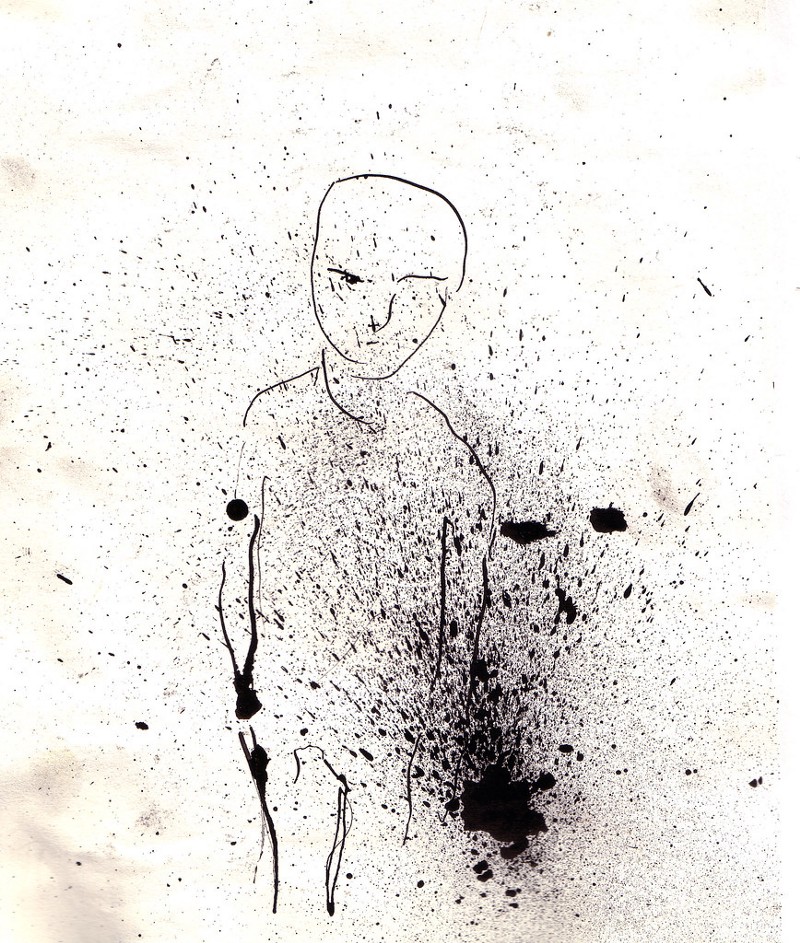
You lie awake in the wee dark hours, your mind churning and fussing over what happened in the past or what you are anticipating in a stressful future. Or you sit at your desk and simply can not focus on the menial or career-defining task at hand. Or you perch on an uncomfortable chair designed to keep you awake when bored in the umpteenth meeting for the umpteenth yakkity-yak, feeling your shoulders rise to your earlobe level, ready to scream at the next speaker, for no other reason than that they, too, keep using that ubiquitous and utterly irritating most recent pause filler again and again and again. I swear, the next time I am listening to someone speak publicly about anything and he says, “that being said”, I am going to take off a shoe and throw it at him.
That being said, here is what I will try to do instead. The next night or day I feel stressed-out, but am also trapped, and unable to get outside and walk around in the “real world”, the world not made of nightmarish sleeplessness or sleep-inducing boredom, or irritatingly boring meetings, or anxiety-inducing discussions with people I like, but who are causing me stress for some reason right now, etc. etc. etc. — I will purposely practice relaxing and re-joying.
I would, like you, of course prefer to run away from my nightmares by having a “nightcap” or metaphoric “toddy” of another chapter in my mystery book, relaxing by candle light, but I have to get up for work in two hours, so I really need to find a way to go back to sleep. By day, I would really prefer, to check my cell phone during a boring meeting, and fake a shocked look on my face, stand up, apologize to the people in the meeting, but tell them there is an urgent emergency that requires my immediate attention and I have to go. And as I hastily walk out the door when they ask me what the emergency is, I will tell them, “the emergency is that my head is going to explode if I have to listen to one more thing coming out of any of your mouths while, you like not-hot-at-all succubi, drain and suck the life slowly out of me.”
The following ways to de-stress when you can’t escape either someone else or your own churning thoughts, are old techniques, and yet, I hope, may be fresh ideas on how to try to de-stress your mind and body. These are techniques you can use when you sleep next to someone you don’t want to wake-up, or when you can’t let-on to the person standing next to you that you are de-stressing. These are the secret care -for- the- soul means and modes to find at least a bit of relaxation, less stress, and maybe some actual and evident true joy in whatever journey, day or night, you find yourself on.
Eight Practices in De-stressing and Re-Joying
1. Be a Cat. Cats enjoy themselves just for being themselves. If you are allergic to cats and can’t own one yourself, watch videos of cats, and then be as sneaky as they are in self-care. You don’t realize how completely committed to self-care, cats are until you have lived with one. Dogs may teach me that there is joy in being with others; cats teach me that I can find joy just by being with myself. Cats are endlessly able to make themselves happy and content by playing with fluff, stretching their limbs, yawning, staring out the window, scratching their itches, and licking themselves. I don’t recommend licking yourself in a sales meeting, or yawning when your loved one is droning on at you, but if they don’t catch you, you could stare out the window or play with a bit of fluff.
2. Silently repeat memorized poems. Of course, first you need to start, (if you haven’t already) memorizing things that will help calm you. I have a few poems by Dickinson, Frost, and Donne pretty much under my belt, a couple ancient psalms, and The Serenity Prayer memorized (except for the lines about “accepting things at they are and not as I would wish them to be”, which for “some reason” — air quotes aptly applied — I balk at remembering). Memorizing de-stressing words of great artists and those human beings who left a record of having lived well, help me get outside my own thoughts and into something higher. Poetry is important to read and helpful to memorize because metaphors and concise imagery take us to a different plane of understanding and metaphors can grow in meaning along with our own individual growth. It is also easier to memorize things that rhyme or things that are poetic in structure, so there is that.
Memorized pieces also can function as mindless mantras, sometimes, much like counting sheep might in terms of repetitive-type thinking meant to help in relaxation. Rather than using my brain to read or write or do something that requires me to take-in something that will stress or stretch me further, or require me to put-out something new and productive; repeating memorized “feel-good”, encouraging, or joy-inducing literary things, is a way to somehow connect little old me stressing-out within, to and with something big and grand and wonderful, without. Memorizing things comes in incredibly handy when you simply can not pull out something to read or watch.
3. Breathe in and out, but send the breath into different parts of your body. We can all get a bit lazy with letting simple breathing techniques relax or de-stress us. This technique is an old theatre exercise and one that you can do anywhere if you are relatively quiet about your breathing. Take a deep breath in and then mentally send that breath into a part of your body. If you are short on time, simply send it into the part of your body where you are feeling the most stress. If you have time and maybe a wee bit of privacy, or you are trying to sleep, you can lie down and do this properly. If you are able, you can stand up at your desk or sit back for a moment, spend five or so minutes, and close your eyes, and send the breath into every part of your body. If you are at work, one of those slightly extended bathroom breaks that we all take from time to time, is much better used for de-stressing this way, rather than sneaking time on your cell phone, and stressing out about the latest Kardashian drama or the text from your spouse or the screenshot of what your kid got on his math test. If possible, take several minutes and start the exercise by sending the breaths into your toes, then feet, then calves, then hips and work all the way up to the tippy-top of your scalp.
If we truly thought of our breath as our life-flow or our spirit, then we would honor it more in every part of our bodies. By letting my breath have space and a place in each part of me, I honor the whole of myself. By de-stressing my entire outer-being, my body, I am practicing not only a physical exercise but a spiritual discipline, and I will find that I am better able to let go of what is stressing my inner-being, or mind, heart, and soul.
4. Tense and release, starting from the feet working up to the head, and then reverse the order from forehead down to toes. This is also a breathing exercise and functions much in the same way as breathing into your body does. Again, start at your toes and “stress” them by scrunching them up, tightening as tight as you can all the muscles in them; hold the tension while you breathe deeply in;, then all at once, release the tension as you breathe out. Work your way up your body again from the bottom to the top, not forgetting any part — fanny, tummy, your fingers, wrists, jaw, forehead, etc. Breathe in- Tense. Breathe out — release. If you are out and about and people may be watching you, you can still do this pretty secretly with your feet, your hands and sometimes your facial muscles.
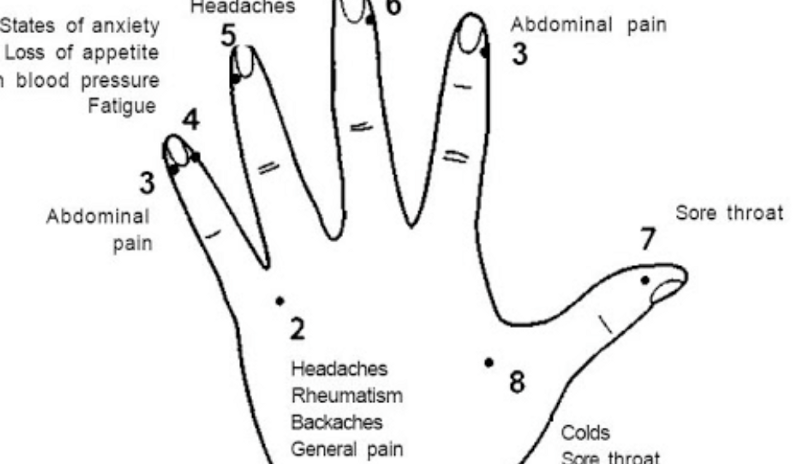
5. Massage your hands. The “handy” thing about this is that you can do it without anyone noticing. Try massaging your neck next to someone, and they will ask you what is wrong, and then you’ll be all stressed out explaining. Try massaging your feet, and you will be asked to put your shoes back on. But most people will not notice if you are massaging your hands. While not as relaxing of course, as a full body massage, or even a foot rub, massaging your hands does have benefits. In fact, there is a special little spot, between your thumb and forefinger — that little web-like spot, that if you squeeze hard between your other hand’s thumb and forefinger and massage that web in little circles — even to the point of a bit of pain — you can relieve minor headaches and relieve cold symptoms. I often need to put moisturizing lotion on my hands during the day, and will use that time to do a little massage of my hands with no one the wiser. (Choosing to have a good smelling lotion is an additional sensory technique for reducing stress which has acceptable public approval ratings).
Our hands do so much for us, it is nice to give them a little special attention and lovin’ during the day and they will return the favor by making us feel more relaxed. Pressure points on the hands work much like those on the feet to relieve a host of problems. Here is one schematic of pressure points in the hands and their associated problems that massaging can help relieve.
6. Replace bad memories, with good plans and vice versa; replace dreaded future events or things you are dreading ahead, with good memories from the past.
I have a difficult time accepting that there is relatively and almost always nothing I can do to change the past, either in my own life, the life of someone I love, or the world at large. I can, however, take the memories or historical facts that are weighing on me, and use them for fodder to plan for the future. While it is true and important that we not avoid thinking about stuff, and must try to learn and grow by learning from past mistakes, that doesn’t mean that we may think and plan better if we also reduce stress.
So when the past is burdening my thoughts and spirit and I can not get the crazy, stressful ‘history-monkeys’ off my back, so to speak, I make not good plans, but “plans for GOOD”. I let my mind wonder into what seems impossible or un-doable and I dream big and imagine wildly. If something in a past relationship is upsetting me, I imagine a future where that person and I are traveling to Italy or having a moon walk together in a future where space travel is available and free for all. If I am feeling bad about myself in the past, I imagine a future when I am reclining on clouds, eating calorie-free bread, cheese, and chocolate and discussing and creating art with Michelangelo, Bach, and Shakespeare. If I am anxious and fearful about decisions leaders make that lead us towards war or increase pain and poverty, I quietly might sing the words to John Lennon’s “Imagine”, and dream about all the good things that will happen with enough daring hope and enough audacious kindness.
As for stressing out about the future, which I often can and should do something about, but which sometimes, of course, I can’t be certain of, or in charge of, or feel at peace about no matter what happens — I find it helpful to look to the past, of either my own life, or the lives of other human beings. I am a worrier and a planner and the two often go hand in hand, even if I am planning something that is “technically” a good thing. I get consumed with tomorrow when it is still today. I churn over wanting to find solid, immediate answers to questions that are still in the queue. Will it turn out? What if? Should I? Will she? Why? Why not? What is that pain in my side and will it kill me tonight in my sleep? Etc. etc. etc. And while none of us can foresee the future, we can all choose how to remember, focus on, or obsess over the past.
If I am stressing about something I am “driving” towards up ahead on my future day’s or life’s road, it is not only helpful, but wise to remember that I also should be looking in my rear-view mirror at what is behind me. I look behind me and realize, “oh, I did make it around that pothole successfully, even though I didn’t know it was there.” Or, “wow, I took that last speed bump way too fast which was kind of thrilling at the time, but I think I will slow down for this next speed bump ahead.” Or maybe, “that is a beautiful sunset and view, back there. I can’t turn around and go back myself, and I certainly can not turn the whole darn bus around for everyone else, but I can stop, and just gaze in my mind’s rear-view mirror, meditating on the beauty and joy that I and so much of the world, have traveled through.”
Looking at the past glorious sunsets and remembering successful points of view, can help us anticipate tomorrow’s sunrise, and find hope that the triumphant point of view of someone else traveling, just like I am traveling, will arrive, up ahead, just around the next curve.
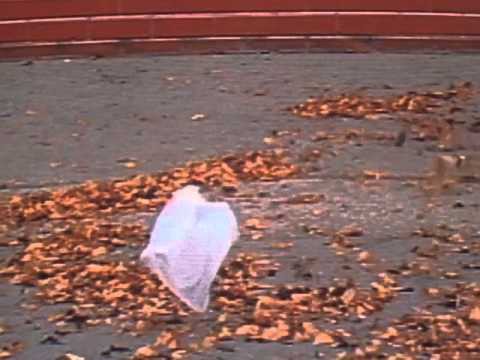
7. When you can’t doodle or write lists, draw pictures in your imagination. This is where I, a hopelessly horrible visual artist, can rise to the ranks of a Van Gogh or a Gary Trudeau, depending on the need. If you are stuck lying awake at night, imagine the ceiling as your canvas and paint your own “Starry Night”. If you are stuck looking at a podium or projected power point, become a Gary Trudeau or a Bill Watterson and doodle some cartoon characters in your mind’s eye (just remember to chuckle silently or you may get a dirty look or two). If you are waiting at a bus stop, figurative or otherwise, and foolishly forgot your book, don’t hop on the cellphone where more stress both mentally and visually lie in wait. Gaze at the scars and junk around you and create beauty. Remember that lovely scene in the movie “American Beauty”, when the plastic grocery bag becomes a thing of beauty as it floats in the breeze, and the character named Ricky, teaches us that this is proof that “there is an incredibly benevolent force at work in the world”. It is good to allow yourself to believe that if you can find beauty, you can find benevolence. Of course, then go pick up that plastic trash and give it a proper burial in your closest recycling bin.

Which brings us to:
8. Turn trash into beauty. This is a hard one for me, because I want to destroy trash, not find its beauty, but sometimes you can’t. However, I also find that allowing the trash to defeat my own peace of mind and inner beauty, allows both the real trash and my mind-trash, to defeat my inner fight for peace and joy. I sometimes can not stop my mind-trash from winning the immediate battle, but I can stop it from winning the war.
I have two friends, both of whom take old things like broken furniture or shards of pottery, and they take what would be trash to anyone else, and restore and remake it into beautiful, functional, and artistically joyful new things. I need to do more of this “turning trash into beauty” of the things in my mind, heart, and soul that weigh me down, give me anxiety, or stress me out. Turning trash into beauty also can work to get rid of stress when someone is trash talking; when you can’t turn off someone’s voice that fills you with pain or anger, or you can’t turn off in your mind what someone said to you or about you or on the television or whatever. The mind is a powerful tool and can be used to turn ashes into art, and trash talk into poetry.
We should not do this by ignoring the truth of the dents, mars, holes, or big “boo-boos” in situations, jobs, choices, or relationships. Sometimes, you have to see things for the un-fixable messes they are, cut your losses, and choose better and more wisely next time. But sometimes, you have to realize that nothing — absolutely nothing — from a piece of furniture to a job to a human being — is perfect and without blemish. We simply can not keep hoping for perfection and throwing stuff out or blowing things up until we find it, because perfection is an ever just- out -of- reach goal, not a gift to hoard or a trophy to claim. Perfection is a motivator and a dream, not an accomplishment or historical achievement. Recognizing this in the wee dark hours or the irritating or fearful or angering ones, can go a long, long way towards finding honest but benevolent ways to replace a desire for perfection with a desire for joy in the journey.
And sometimes we should remember that one woman’s trash, is another woman’s treasure. To accept the imperfections of others, myself, and the planet itself, means that beauty is in the eye of the beholder if the beholder is focused on finding beauty. Creating and retaining a cesspool or nuclear waste dump of thoughts in my beautiful mind should be no more acceptable than creating and retaining them in our beautiful world. Once I recognize a thought as trash, I should find a way to clean it up and clear it out.
Not a day or night goes by, usually, that I do not have to “give myself permission” to de-stress and practice habits of finding ways to re-join myself to all that is positive and valuable in being alive and in being human. We all need to take more time and more thought to restricting the bad and re-joying the good.
It’s a funny old world we live in. Perhaps it is especially a wacky-world for us who are privileged and yet confined by being First-Worlders; humans who live here, with not just great stress from without made by those who rule us, but stresses from within, and those, often of our own making. There is much to be done about all the things out there that make us fearful or angry or stressed-out, and we should not take our hands from the plows as we work to make the world a better, kinder, more beautiful place for everyone.
I long for a world where we are surrounded by people who automatically and quite naturally follow that universally admired but eternally just-out-of-reach Golden Rule; and by human beings who freely and joyfully treat other people with love, as they would like to be treated themselves. I yearn to find that kind of love within myself, not as a rule, but as a naturally occurring, deep-within-me, daily phenomenon and life-style.But to truly care for and act on behalf of others, we must practice habit-forming pro-active self-care and find practical, functional, as well as emotional and spiritual ways to “love ourselves, as we would like others to love us.”
Take the time, spend the energy, honor the Good in yourself, and as quickly as possible, clean up whatever is marring your beauty, peace, and joy in the journey. Love others today, by giving the gift of love to yourself and by practicing self-care. Then play it forward to some else.
Today, right now, wherever and whoever you are, Re-Joice in the best in all of us, past, present and future, and Re-Joy in the Journey.


